A beautiful location gives you possibilities. A considered transformation gives guests an experience.
An open space can hold a remarkable evening. Before the event, however, it is still a collection of possibilities. Guests need a place to arrive, a reason to move in a particular direction and a setting that supports what they have come to enjoy.
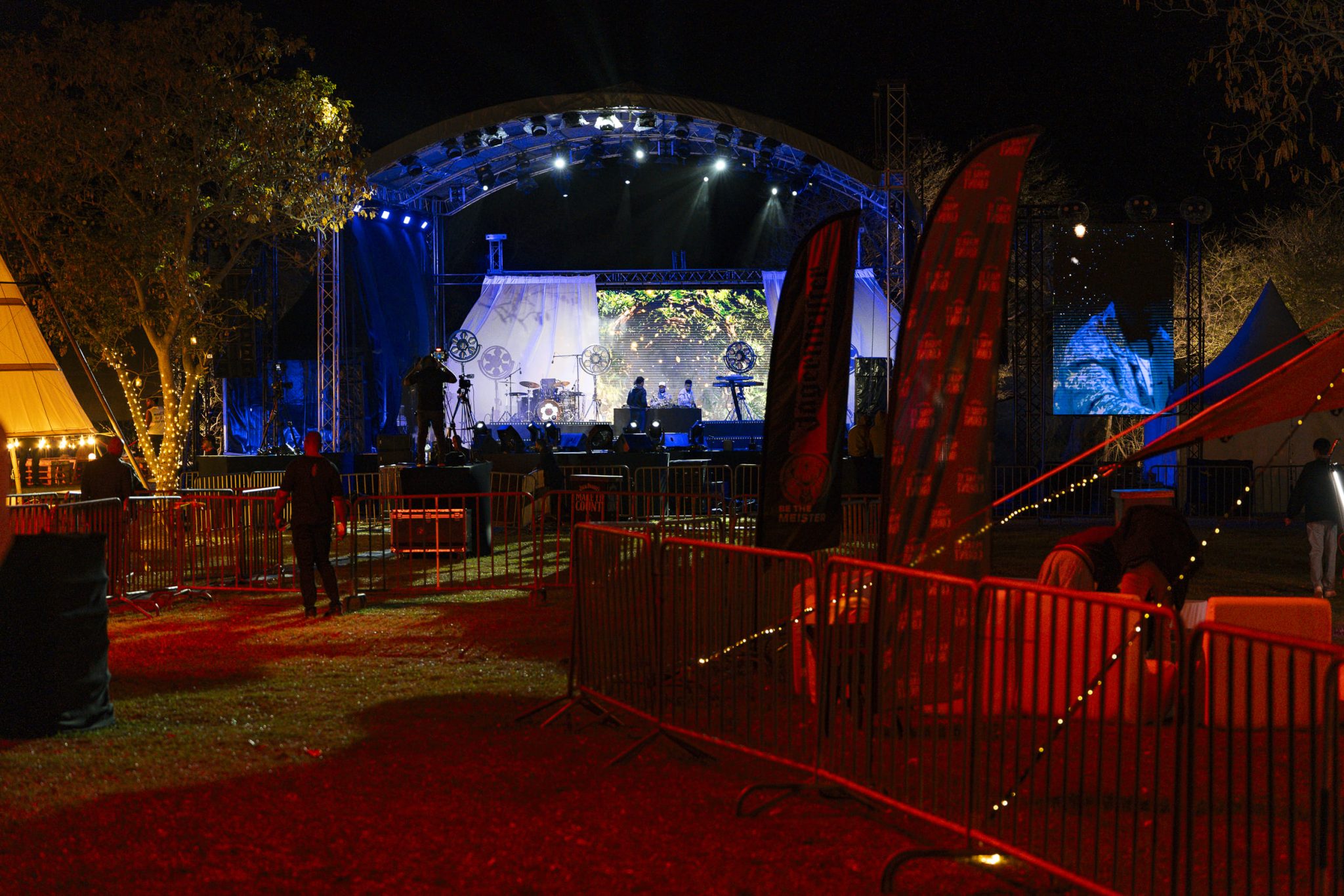
For Naïka’s concert at All Waves Festival, Impact Production Group (IPG) delivered the complete setup at Green Village. The project offers a practical look at how an outdoor venue can be shaped around the audience journey, the programme and the changing light.
For event planners, agencies and brands, venue transformation is more than decoration. It connects separate spaces into an understandable whole while keeping the qualities that made the location attractive.
The project at a glance
Artist: Naïka
Event: All Waves Festival
Venue: Green Village, Mauritius
IPG’s role: Complete event setup
Give the transformation a clear purpose
Before choosing colours, furniture or decorative features, decide what the space needs to achieve. A concert encourages movement towards a performance. A corporate celebration may need to support conversation, a presentation and a later change of mood. A launch may depend on a specific reveal.
Write a short description of the intended guest experience: guests arrive, meet in a social area, move towards the programme and stay afterwards to continue the evening. That description becomes a design tool. It helps show where attention belongs and how the layout should support each change in activity.
Every significant choice should contribute to the experience, whether by directing people, creating comfort or establishing a recognisable atmosphere. A clear purpose makes creative decisions easier to assess.
Make arrival part of the concept
Guests begin forming an impression before reaching the main event area. The approach can build anticipation, establish the tone and help people understand where they are going. Plan the arrival as a sequence: where guests are received, where they pause, how they find their route and what they see next.
Consider the event’s timing. A route that feels obvious during a daytime visit may be less clear after sunset. Review lighting and wayfinding in the conditions guests will encounter. Registration, checks and welcome signage should feel considered rather than added around the edges.
A confident arrival lets guests appreciate the setting instead of figuring out how to use it.
Map the venue through guest behaviour
A site plan becomes more useful when it reflects what people will do. Identify the areas for arrival, socialising, the main programme, hospitality and departure. Then examine the connections between them.
Where might people gather? What will encourage them to move? Could an attractive feature become a stopping point in a route others need? Furniture and decoration shape these behaviours: lounge seating invites people to stay, while an open area gives movement room.
Avoid filling every available square metre. Space between elements is part of the design. A thoughtful layout gives guests a choice between being close to the activity and finding a quieter place to pause.
Let the location contribute to the identity
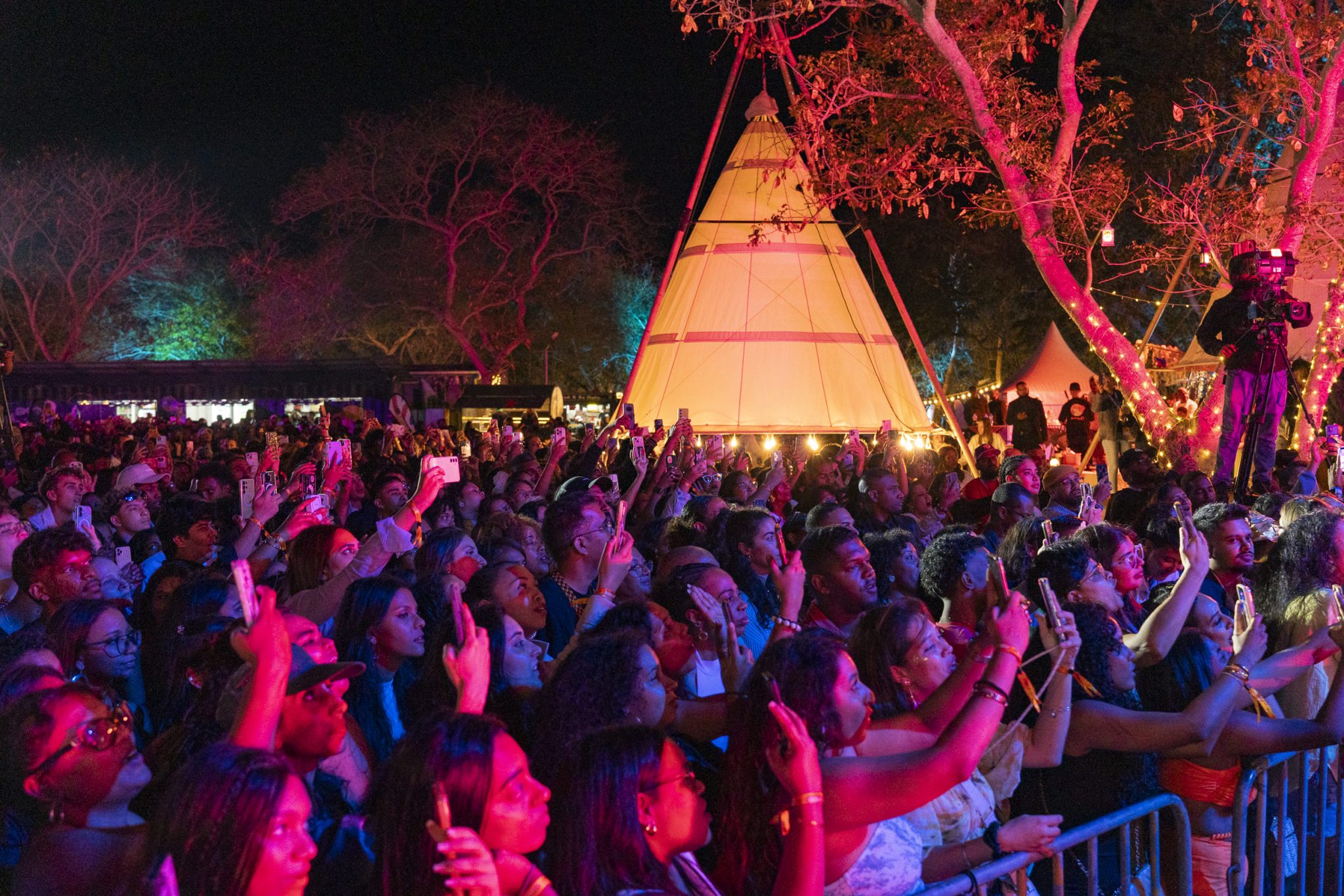
An outdoor setting already contains visual information: vegetation, open areas, views and built features. Identify what should remain visible. A particular view may give the site its sense of scale; a line of trees can create a natural boundary or a sheltered place to talk.
Ask during concept development: “Would this proposal make equal sense anywhere?” If so, there may be an opportunity to make the design more responsive to the actual site.
A carefully edited approach often gives an event a stronger identity than covering the venue with a familiar decorative formula. Explore event décor that works with the character of the setting.
Develop an atmosphere that changes with the light
Outdoor venues have a changing visual character. During daylight, people read the landscape through its natural colours, views and textures. After dark, lighting changes what becomes prominent and how the venue feels.
Design for that transition. Consider which materials remain appealing in daylight and which features gain presence in the evening. The lighting proposal should distinguish practical visibility from atmosphere: guests need to understand routes, recognise faces and use the space comfortably before decorative lighting adds focus and character.
Too many competing focal points can make an outdoor venue feel fragmented. The aim is a connected environment where different areas can have their own mood while still belonging to the same event. Bring lighting and audio visual planning into the wider production conversation.
Use furniture to shape the evening
Furniture affects both appearance and behaviour. Low seating encourages guests to settle; high tables support a different kind of interaction. A mix can help an evening change pace when the arrangement suits the programme.
Start with the people. How long will guests stay in each area? Will they eat, watch a performance, hold a drink or speak with clients? Then consider scale and circulation. Pieces that look generous in a showroom can feel small in an expansive outdoor setting.
Review the layout as a whole, with the expected number of guests and the space needed to move comfortably. A successful hospitality environment should look inviting and be straightforward to use.
Coordinate creative choices with site requirements
The concept and installation plan need to develop together. A decorative feature may require access, support, power or a particular installation sequence. Share design decisions with the production team while alternatives remain possible.
A site assessment should establish what the venue permits, which areas are available and what needs protection during installation and removal. Discuss adverse-weather arrangements with the relevant venue and production specialists, and make responsibilities clear.
Spend where it changes the experience
Venue transformation does not require equal spending everywhere. Start with the decisions that most affect the guest journey, the event’s identity and the programme. An arrival feature may set the tone; a well-positioned social area may improve hospitality; coherent lighting can connect spaces that would otherwise feel separate.
Ask each proposed element to earn its place: what will it help guests see, do or feel?
Request a proposal that separates essential functions from optional enhancements. That gives you a sound basis for discussing the budget without losing sight of the experience you want to create.
Capture the transformation with useful context
Transformation content works best when viewers understand what changed. Brief the photo or video team before installation begins. Identify the views that explain the site, the features that establish the concept and the details worth recording at guest level.
Comparable before-and-after views help people see the change. Wide images explain how areas relate; close views reveal materials and styling. Avoid relying only on dramatic angles. Prospective clients also want to understand how the environment works.
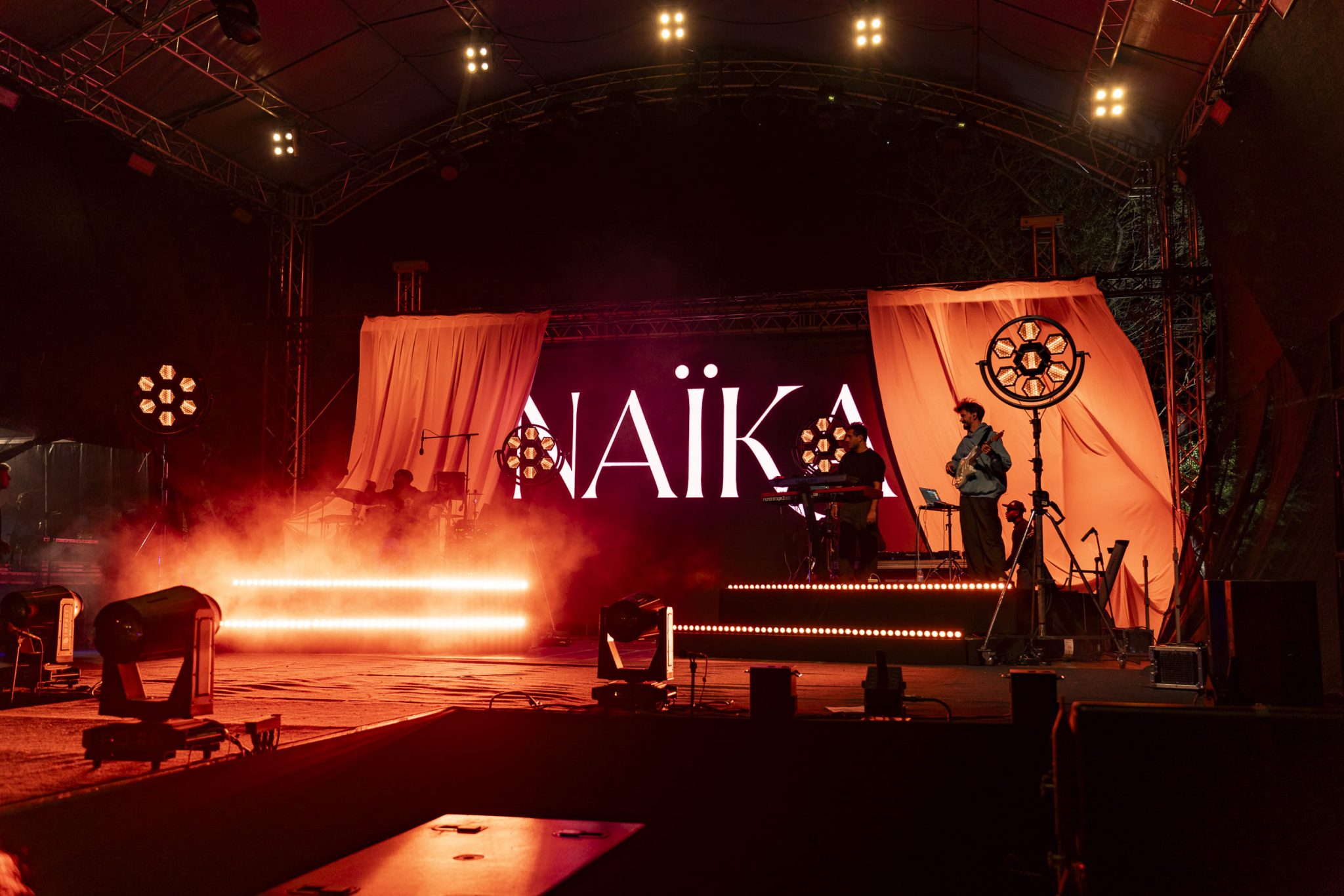
For a written case study, pair the imagery with a clear explanation of the brief and IPG’s actual contribution. Accurate context is stronger proof than a string of adjectives.
Questions to ask before approving a concept
Use these questions to review the concept, site plan and proposed scope together:
- What should guests experience when they arrive?
- How does the layout support the programme?
- Which features of the venue remain part of the design?
- How will the setting change after sunset?
- What has been allowed for installation and removal?
- Which decisions still need venue or specialist confirmation?
These questions keep approval focused on a workable experience rather than isolated reference images.
Frequently Asked Questions
What does venue transformation include?
It depends on the agreed brief. It may involve spatial planning, furniture, décor, lighting and production elements. Ask for a clear scope identifying what is included and which responsibilities belong to other parties.
Should the design be developed before a site visit?
Initial ideas can start earlier, but they should remain open to assessment. The venue’s dimensions, access, existing features and restrictions can materially influence the final proposal.
Can the same setting work during the day and at night?
Yes, with an appropriate concept. Consider daylight appearance, evening lighting, practical visibility and the way guests will use the venue at different times.
How can we avoid a generic event design?
Explain why you selected the venue and what you want guests to feel or do there. Use those answers to guide the layout, materials and focal points.
What should we prioritise when the budget is limited?
Identify the elements with the clearest contribution to the guest experience and programme. Discuss those priorities with your production partner before selecting optional decorative additions.
Thank you to Sharon Autard and All Waves Festival for trusting IPG with the Green Village setup, and to the IPG team for the expertise behind the transformation.
What could your venue become?
A considered transformation brings together the setting, the programme and the guest journey.
Planning an event in Mauritius? Tell Impact Production Group about your venue, occasion and the experience you want guests to have. Let’s start with a concept shaped around your site.